Many cherished crystal wine glasses end up dull and clouded, not from age, but from the rush of modern routines. Our grandparents knew that fine glassware wasn’t meant for speed-it was cared for slowly, deliberately. The brilliance of a well-maintained crystal stem is more than aesthetic; it’s a quiet tribute to craftsmanship worth preserving. Today, restoring that luminous clarity isn’t about effort-it’s about patience, the right method, and respect for the material.
The Professional Approach to Crystal Maintenance
When it comes to preserving the delicate integrity of crystal, professionals agree: hand washing is non-negotiable. Unlike mass-produced glass, true crystal-especially leaded varieties-responds poorly to the high heat, harsh detergents, and mechanical agitation of dishwashers. These conditions can lead to irreversible etching, a cloudy film that dulls thehand-cut brilliance painstakingly crafted during production. Maintaining the pristine clarity of your finest crystal glassware requires a delicate, hands-on approach.
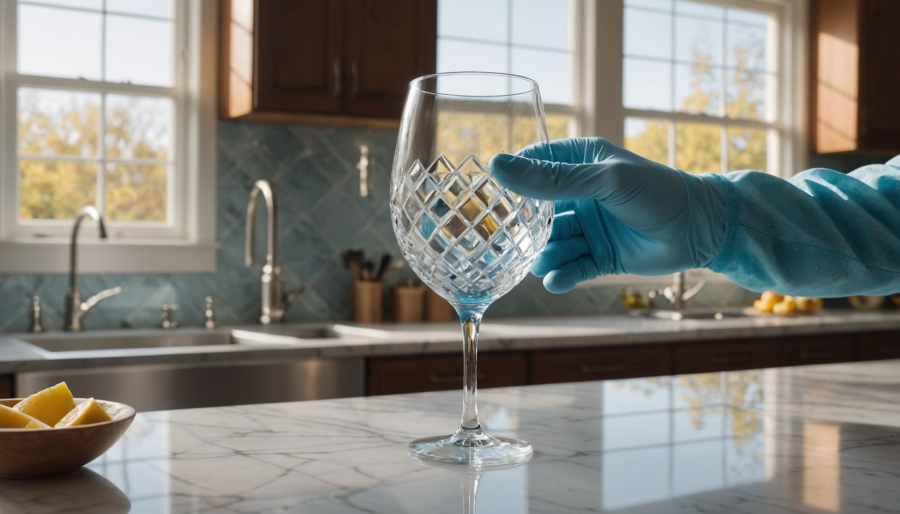
Hand Washing vs. Dishwashers
Automatic dishwashers expose crystal to temperatures that can exceed safe thresholds, increasing the risk of thermal shock-a sudden change in temperature that may cause microfractures or even shattering. Additionally, alkaline dishwasher detergents can corrode the surface over time, leaving behind a hazy residue. Hand washing, in contrast, allows full control over water temperature, pressure, and cleaning agents, ensuring long-term preservation.
Temperature and Environment Setup
Use lukewarm water-never boiling-to wash crystal. Fill the sink gently to avoid splashes that might chip delicate rims. Protect the glass by lining the sink with a soft rubber mat or a lint-free towel. Choose a mild, unscented dish soap to avoid leaving behind a chemical film, particularly on the rim where lips make contact. Avoid sponges with abrasive pads; instead, use a soft cloth or a dedicated non-scratching brush.
| Agent | Primary Use | Result |
|---|---|---|
| Mild dish soap | Daily cleaning | Removes light residue without film |
| White vinegar (diluted) | Mineral deposit removal | Dissolves calcium buildup, restores clarity |
| Lemon juice | Surface shine enhancement | Natural acid brightens without scratching |
Strategies for Eliminating Stubborn Stains
Over time, even the most carefully washed crystal can develop a greyish film or stubborn residue, particularly if used frequently for hard water or mineral-rich beverages. These imperfections aren’t always damage-they’re often correctable with the right technique.
Dealing with Mineral Deposits and Film
A common culprit behind cloudy crystal is calcium buildup from hard water. To reverse this, prepare a solution of one part white vinegar to three parts lukewarm water. Submerge the glasses and let them soak for one to two hours. The acetic acid in vinegar gently dissolves the deposits without scratching the surface, revealing the original clarity beneath. Rinse thoroughly afterward.
Removing Red Wine Residue
Red wine tannins can leave behind a stubborn ring near the base of the bowl. For mild cases, warm soapy water and gentle scrubbing suffice. For deeper staining, a small amount of oxygen-based cleaner (like diluted oxygen bleach) can be effective. Avoid chlorine bleach, which may react with lead content. Always rinse immediately and thoroughly to prevent any residue from bonding to the crystal surface.
Mastering the Art of Polishing and Drying
A clean crystal glass isn’t truly finished until it’s properly polished. Improper drying is one of the most common reasons for streaks and lint marks-issues that undermine even the most careful wash.
The Steam and Microfiber Technique
For a truly streak-free finish, start by briefly air-drying the glasses upside down on a clean rack. Then, hold the glass by the base-never the stem-to avoid pressure on fragile joints. Use the gentle steam from a kettle or boiled water to slightly moisten the surface, which helps loosen any remaining droplets. Immediately polish with a dry, soft cloth.
- Allow brief air drying upside down
- Steam lightly over hot water
- Use two cloths simultaneously-one to absorb, one to polish
- Wipe in circular motions from base to rim
- Inspect under soft light for final clarity
Safe Storage for Long-Term Brilliance
Even the best cleaning routine means little if storage practices undo the care taken. The way crystal is stored can either protect or compromise its structural and visual integrity over time.
Correct Positioning in the Cabinet
Storing glasses rim-down might seem space-efficient, but it places undue stress on the thinnest, most vulnerable part of the glass. It also traps air and potential odors, leading to stale smells over time. Instead, store glasses upright with ample space between them. This prevents micro-vibrations from causing "clinking" and reduces the risk of tiny chips or cracks accumulating. Dust covers or felt-lined cabinets add an extra layer of protection against environmental particles.
Preserving the Heritage of Fine Dining
Fine crystal isn’t merely tableware-it’s heritage. Pieces crafted with high lead content or by traditional methods are designed for longevity, not disposability. With proper care, they can last generations, their value increasing not just monetarily but emotionally.
A Commitment to Timeless Quality
The weight, the ring, the refractive sparkle-these qualities are hallmarks of artisanal hand-cut brilliance. Unlike machine-made glass, these pieces require specific attention because their composition is more delicate. Yet, this fragility is balanced by enduring beauty, a testament to craftsmanship that refuses to be rushed.
Daily Habits for Longevity
One of the simplest habits? Rinse immediately after use. Wine acids, especially red, can begin etching the surface overnight. Even water left sitting can leave mineral rings. Keep a dedicated soft sponge or brush-used only for crystal-to avoid transferring grease or residue from other kitchenware. These small routines make a lasting difference.
Commonly Asked Questions
Does the lead content in older crystal affect which cleaning products I can use?
Yes, leaded crystal is more chemically sensitive. Avoid strong alkaline cleaners or abrasive polishes, as they can degrade the surface over time. Stick to mild, pH-neutral soaps and natural acids like diluted vinegar to maintain integrity without causing corrosion or haze.
Is a specialized glass microfiber better than a standard cotton cloth?
Specialized microfiber cloths are designed to be more absorbent and truly lint-free finishing, reducing streaks and residue. Standard cotton may leave fibers or lint, especially if not freshly laundered. For consistent results, microfiber offers superior performance.
How do I fix a glass that has already turned permanently milky?
If the cloudiness remains after vinegar soaking, it may be etching-permanent surface damage from harsh detergents or heat. Unlike removable mineral film, etching cannot be reversed. Prevention through proper washing is the only true solution.
Should I re-wash my glasses if they have been stored for several months?
Yes, a quick rinse removes accumulated dust and any subtle odors. Even in closed cabinets, glasses can absorb ambient air. A gentle wash restores freshness and ensures they’re ready for use without compromising hygiene or clarity.
How long should I wait before polishing a glass after washing it?
Wait just long enough for excess water to drip off-about 30 seconds to a minute. Polishing while the glass is still slightly damp helps prevent water spots. Using the steam method immediately after rinsing enhances the lint-free finishing and eliminates streaks effectively.
